

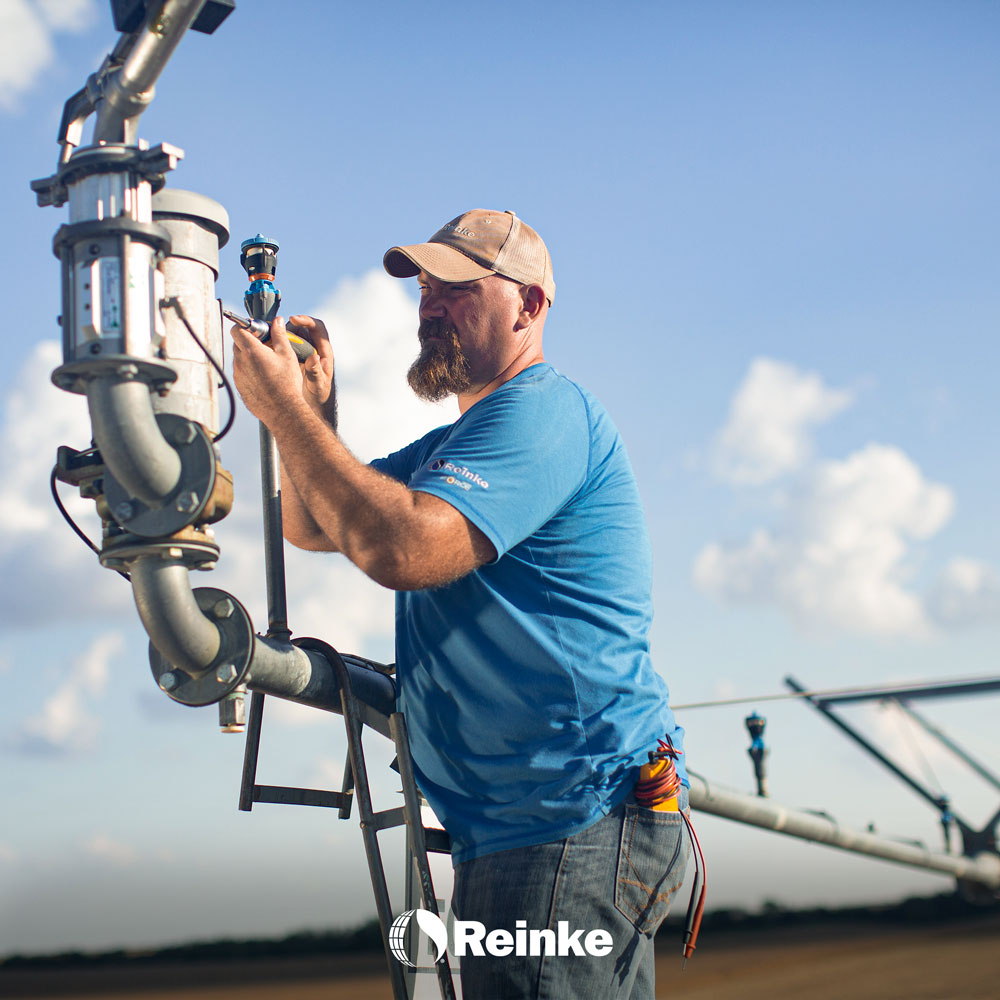
Harvest season is busy enough without adding a preventable center pivot problem to the spring workload. Around Hemingford, cold Nebraska Panhandle winters can expose irrigation equipment to freezing temperatures for months, making fall maintenance an important part of protecting the system between growing seasons.
Quick answer: Winterizing a center pivot means removing water from components that could freeze, inspecting the machine for wear or damage, protecting vulnerable parts, and addressing maintenance needs before winter weather settles in. For producers around Hemingford and Box Butte County, completing these steps after irrigation season can reduce the chance of freeze-related damage and help make spring startup smoother.
What local producers should know
- Water left in exposed irrigation components can freeze and expand, potentially damaging pipes, valves, fittings, pumps, and other equipment.
- Hemingford’s location in the Nebraska Panhandle means irrigation equipment must sit through sustained winter cold, wind, and changing weather conditions.
- Fall is a good time to inspect sprinkler packages, gearboxes, tires, electrical components, and structural hardware while problems from the irrigation season are still fresh.
- Fields throughout Box Butte County can have different equipment configurations, so winterization should follow the requirements of the specific pivot, pump, and irrigation setup.
- A thorough fall inspection can identify worn parts before they become spring planting and irrigation-season problems.
Why Fall Center Pivot Maintenance Matters Around Hemingford
Fall center pivot maintenance matters around Hemingford because freezing temperatures can turn residual water and small equipment problems into more serious repair needs before spring. A careful shutdown gives producers an opportunity to protect vulnerable components and identify wear before the pivot is needed for another irrigation season.
Agriculture across Box Butte County and the surrounding High Plains operates under demanding seasonal conditions. Center pivots spend summer exposed to heat, wind, dust, storms, and repeated operating cycles. Then the same equipment must withstand a Nebraska Panhandle winter.
Sorensen Irrigation, LLC. understands that irrigation maintenance needs to fit the realities of local agricultural operations. We help area producers prepare irrigation equipment for seasonal changes so maintenance needs can be addressed before they interfere with the next growing season.
Local Data or Field Observations
Local irrigation systems face a combination of freezing weather, wind exposure, seasonal operating wear, and long winter shutdown periods. Those conditions make a complete fall inspection more useful than simply turning off the water supply and leaving the machine until spring.
From a practical maintenance standpoint, the end of irrigation season provides a valuable inspection window. Leaks, sprinkler problems, tire concerns, unusual drivetrain operation, or electrical issues noticed during summer are easier to address when they are documented rather than forgotten over winter.
Fields around Hemingford, Alliance, Marsland, and rural Box Butte County can also have different water delivery and pumping configurations. Winterization should account for the entire irrigation setup rather than focusing only on the visible pivot structure.
How Winter Conditions Can Affect Your Irrigation System
Winter conditions can affect a center pivot anywhere water remains trapped or components are left vulnerable to freezing, moisture, wind, and weather exposure. Even a system that operated normally at the end of summer deserves a careful shutdown before extended cold arrives.
Residual water is one of the main concerns. Water that cannot drain properly may freeze inside low points, valves, fittings, or other components. Winter also gives existing wear several months to remain unnoticed.
A complete fall inspection creates an opportunity to find those concerns before the system sits idle.
Warning Signs Your Pivot Needs Attention Before Winter
A center pivot needs additional fall attention when it shows leaks, drainage problems, drivetrain concerns, damaged sprinklers, electrical issues, or visible structural wear. Problems that seem manageable during the final irrigation runs can become inconvenient when discovered during spring startup.
Watch for:
- Water continuing to collect where the system should drain.
- Leaking valves, fittings, gaskets, or sprinkler components.
- Worn, plugged, broken, or inconsistent sprinkler heads.
- Tires with visible damage or improper inflation.
- Gearboxes or drive components showing leakage or abnormal operation.
- Loose, damaged, or heavily worn structural hardware.
- Electrical boxes, wiring, or connections showing visible damage or moisture concerns.
- Unusual noises or movement during the pivot’s final operating cycles.
Documenting these issues during fall gives you a clearer maintenance plan for the offseason.
When to Call an Irrigation Professional
Call an irrigation professional when winterization involves repairs, electrical work, drivetrain concerns, uncertain drainage, pump issues, or components you cannot safely inspect or service. Producers can handle basic visual checks, but technical repairs should be performed with the correct equipment and procedures.
A visual walkaround is a useful starting point. Check for obvious leaks, damaged sprinkler components, tire problems, and anything that changed during the season.
Professional service becomes more important when you find a recurring leak, questionable electrical equipment, gearbox or motor problems, structural concerns, or uncertainty about whether the system has drained completely. Around Hemingford, discovering those problems before winter can provide more time to plan repairs instead of dealing with them during spring startup.
Common Causes of Winter Irrigation Problems
The most common winter irrigation problems begin with trapped water, overlooked wear, incomplete inspection, and maintenance needs carried over from the growing season. Nebraska Panhandle weather can make those existing vulnerabilities more consequential once temperatures fall below freezing.
1. Water left in the system: Low points or components that do not drain correctly can retain water that later freezes.
2. Worn seals, gaskets, and fittings: Small leaks during irrigation season can indicate components that need attention before shutdown.
3. Sprinkler package wear: Nozzles, regulators, drops, and related components experience regular operating wear and exposure.
4. Drivetrain issues: Gearboxes, motors, tires, and wheel assemblies should not be ignored simply because the pivot has completed its final run.
5. Electrical concerns: Weather exposure, moisture, damaged wiring, or worn components can create spring troubleshooting needs if they are not identified during fall.
Fall Center Pivot Prevention and Maintenance
Effective fall center pivot maintenance combines proper drainage with a systematic inspection of water-delivery, structural, drivetrain, and electrical components. The goal is to leave the irrigation system in a condition that minimizes winter exposure and simplifies the next startup.
Start by following the appropriate shutdown and drainage procedure for your particular system. Confirm that components intended to drain are actually draining, rather than assuming the absence of water flow means the system is empty.
Walk the pivot from the center point to the end tower. Look at sprinklers, drops, hoses, fittings, tires, wheel tracks, structural components, gearboxes, motors, and visible wiring.
Fall is also a good time to record parts that need replacement. Producers near Hemingford can then plan maintenance during the offseason instead of waiting until water is needed in the field.
DIY inspection should stop where electrical, mechanical, structural, or pressurized-system work requires specialized knowledge or equipment.
What to Expect From Proper Winterization
Proper winterization should leave your center pivot drained where required, inspected for visible problems, and better prepared for spring startup. It cannot prevent every future repair, but it can reduce avoidable surprises caused by overlooked water, wear, or seasonal shutdown issues.
The biggest practical benefit is preparation. Instead of beginning spring with an unknown equipment condition, you have a record of what was inspected and what repairs or replacement parts may be needed.
That preparation is especially valuable for agricultural operations across the Nebraska Panhandle, where timing matters once fieldwork and irrigation demand increase.
Common Winterization Mistakes
Common winterization mistakes include assuming the pivot drained completely, postponing known repairs, and inspecting only the water-carrying pipe. A better approach treats the pivot as a complete irrigation machine with water, electrical, drivetrain, structural, and sprinkler components.
Mistake: Assuming gravity removed all remaining water.
Consequence: Water may remain in vulnerable components.
Better approach: Verify that the appropriate drain points and components are functioning correctly.
Mistake: Ignoring a small leak until spring.
Consequence: The repair becomes another job during an already busy season.
Better approach: Document and address known maintenance needs during the offseason.
Mistake: Checking the pipe but ignoring the drive system.
Consequence: Tire, gearbox, motor, or wheel issues may remain unnoticed.
Better approach: Perform a complete end-to-end inspection.
A Common Hemingford-Area Scenario
A common Hemingford-area scenario is a pivot finishing irrigation season with a few minor issues that do not seem urgent because the machine is about to be shut down. A leaking fitting, worn sprinkler component, questionable tire, or drivetrain concern gets left for spring.
Months later, that small list has to be rediscovered while other seasonal work is competing for attention.
A fall walkaround and maintenance plan changes the timing. The producer knows what needs attention and can address appropriate repairs before the next irrigation season.
Related Irrigation Service Solutions
Professional irrigation service can help identify and correct winterization, sprinkler, drivetrain, electrical, and other center pivot maintenance concerns. The right service depends on what the fall inspection reveals and the configuration of the individual irrigation system.
At Sorensen Irrigation, LLC., we can help local producers evaluate center pivot maintenance needs and prepare irrigation equipment for the offseason.
Comparing DIY Inspection and Professional Service
DIY inspection works well for routine visual checks, while professional service is appropriate for technical repairs, electrical concerns, mechanical problems, and winterization questions that require system-specific expertise. Using both approaches can give Hemingford-area producers a practical maintenance routine.
A producer can walk the machine, record visible concerns, check accessible components, and note performance issues from the season. A professional can then address repairs or technical maintenance that goes beyond a safe visual inspection.
The objective is not to turn every fall check into a major repair project. It is to identify what actually needs attention before the system returns to service.
Service Areas
Our irrigation services support agricultural operations in Hemingford and surrounding Nebraska Panhandle communities. Depending on the service needed, that may include farms and ranches around Box Butte County, Alliance, Marsland, and nearby rural areas.
Local irrigation equipment faces the same basic seasonal challenge: a working system must transition from summer operation to months of winter exposure.
The Cost of Ignoring Fall Pivot Maintenance
Ignoring fall pivot maintenance can shift preventable inspection and repair work into spring, when equipment availability may be more time-sensitive. It can also leave trapped water, worn components, leaks, or other problems exposed throughout a Nebraska winter.
Waiting does not automatically mean a system will fail. The concern is uncertainty. A pivot that has been properly shut down and inspected gives the operator more information about its condition than one that is simply parked after the final irrigation run.
Frequently Asked Questions
When should I winterize my center pivot in Hemingford, NE?
Winterize your center pivot after seasonal irrigation is complete and before sustained freezing conditions create a risk for water remaining in vulnerable components. The exact timing varies by operation and weather, so Hemingford producers should avoid waiting until a hard freeze is already arriving to begin the shutdown process.
Why is center pivot winterization important in Box Butte County?
Center pivot winterization is important in Box Butte County because irrigation equipment remains exposed to Nebraska Panhandle winter conditions for an extended period. Removing water where required and inspecting equipment before shutdown can reduce freeze-related concerns while identifying maintenance needs before the next irrigation season.
Is draining the pivot enough for winter?
No, draining is only one part of a thorough fall maintenance process. A center pivot should also be visually inspected for leaks, sprinkler wear, tire problems, drivetrain concerns, structural issues, and visible electrical problems. The exact winterization procedure depends on the system and its components.
Can I winterize a center pivot myself?
You can perform basic visual checks and appropriate owner maintenance if you understand your equipment and its required procedures. Technical electrical work, mechanical repairs, uncertain drainage problems, or other specialized service should be handled professionally rather than guessed at, particularly when equipment safety is involved.
What pivot components should Hemingford producers inspect in fall?
Hemingford producers should inspect the pivot’s water-delivery components, sprinkler package, tires, drive components, structural hardware, and visible electrical equipment. The inspection should cover the full machine rather than concentrating only on the center point or main pipe, since wear can occur throughout the system.
Should I repair pivot problems in fall or wait until spring?
Fall can be a practical time to address known pivot problems because the issues are still fresh and the machine is no longer in peak seasonal use. Repair timing depends on the problem, but documenting issues now can prevent them from becoming unexpected additions to the spring workload.
How does Nebraska Panhandle weather affect irrigation equipment?
Nebraska Panhandle winter weather exposes irrigation equipment to freezing temperatures, wind, and extended periods out of operation. Components containing residual water deserve particular attention, while the machine as a whole should be inspected for existing wear before it remains outside through the offseason.
How can I make spring pivot startup easier?
Make spring startup easier by completing a thorough fall shutdown, documenting maintenance concerns, and addressing appropriate repairs during the offseason. Before returning the pivot to normal operation, conduct the proper spring inspection and startup procedures for your particular equipment rather than assuming everything remained unchanged over winter.
Prepare Your Pivot for a Smoother Spring
A careful fall shutdown gives Hemingford-area producers a better understanding of their irrigation equipment before Nebraska winter weather arrives. We can help identify maintenance needs, address appropriate repairs, and prepare your center pivot for the offseason.
Get Your Irrigation System Ready for Winter
Protect your offseason preparation and reduce avoidable spring irrigation surprises. We provide local irrigation service with the needs of Nebraska Panhandle agricultural operations in mind.