

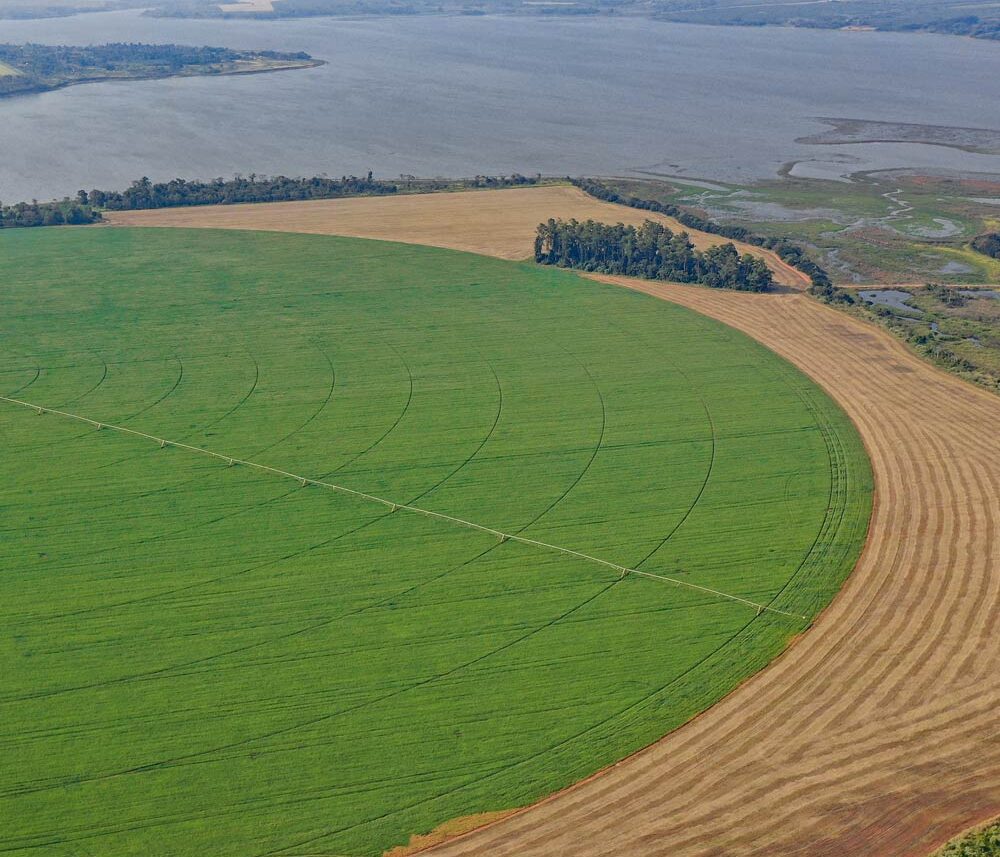
Water is the lifeblood of agriculture in Western Nebraska, and for farmers in Box Butte County, making the most of every gallon is not just a smart business decision; it is a matter of long-term survival. The semi-arid climate of the Nebraska Panhandle means that rainfall alone cannot sustain a productive growing season, which is why irrigation services have become a cornerstone of agricultural operations across the region. From the fields surrounding Hemingford, NE, to the broader stretches of Box Butte County farmland, growers are constantly looking for smarter, more efficient ways to deliver water to their crops without wasting a single drop.
The good news is that modern irrigation technology and time-tested management practices have come a long way. Farmers today have access to a wide range of tools, techniques, and farm equipment that can dramatically reduce water usage while maintaining or even improving crop yields. This blog explores five key strategies that Box Butte County farmers can use to maximize irrigation efficiency and protect one of their most valuable resources.
Understanding Your Soil and Water Holding Capacity
Before any irrigation system can be optimized, farmers need a thorough understanding of their soil type and its water holding capacity. Box Butte County features a diverse range of soil profiles, from sandy loams near river drainages to heavier clay soils in other areas. Each soil type absorbs and retains water differently, which directly affects how much irrigation water is needed and how frequently it should be applied.
Conducting regular soil moisture monitoring is one of the most practical steps a farmer can take. Using soil moisture sensors placed at various depths throughout a field gives growers real-time data on how much water is available to plant roots. This eliminates the guesswork that often leads to over-irrigation, a practice that wastes water and can actually harm crops by promoting root disease and nutrient leaching.
Farmers in Hemingford, NE, and the surrounding Box Butte County area who invest time in understanding their soil are better positioned to calibrate their irrigation services to match actual crop demand rather than relying on calendar-based schedules. This data-driven approach is the foundation of any efficient irrigation strategy.
Choosing the Right Irrigation System for Western Nebraska Conditions
Not all irrigation systems are created equal, and the specific conditions of Western Nebraska agricultural irrigation require careful consideration when selecting or upgrading equipment. Center pivot systems remain the most common choice across Box Butte County, and for good reason. They offer excellent coverage, can be automated, and are well-suited to the relatively flat terrain found throughout much of the region.
However, simply having a center pivot in place is not enough. The efficiency of any system depends heavily on the nozzle configuration, application rate, and the height at which water is applied. Low-pressure drop nozzles positioned closer to the canopy level significantly reduce evaporation losses compared to older high-trajectory sprinkler heads. In a region where summer winds and heat can cause substantial water loss before it ever reaches the soil, these upgrades make a real difference.
Drip irrigation and subsurface drip systems are gaining traction among Box Butte County farmers who grow high-value crops or who are working in areas with particularly sandy soils. These systems deliver water directly to the root zone, nearly eliminating surface evaporation and runoff. While the upfront cost of drip systems can be higher than other options, the long-term savings on water and energy, combined with improved yields, often make them a worthwhile investment. Consulting with local irrigation services providers in Hemingford, NE, can help farmers evaluate which system configuration makes the most sense for their specific operation.
Scheduling Irrigation Based on Crop Water Demand
One of the most impactful changes a farmer can make is shifting from fixed irrigation schedules to demand-based scheduling. Crops do not need the same amount of water every week; their demand fluctuates based on growth stage, temperature, humidity, wind speed, and solar radiation. Applying too much water during periods of low crop demand is just as wasteful as applying too little during critical growth stages.
Evapotranspiration (ET) data, which measures the combined water loss from soil evaporation and plant transpiration, is widely available through the University of Nebraska-Lincoln Extension service and other agricultural weather networks. Farmers across Western Nebraska agricultural irrigation zones can access ET data specific to their area and use it to schedule irrigation runs that precisely match what their crops are actually consuming.
For Box Butte County farmers growing corn, the most water-intensive period is typically from silking through grain fill. Ensuring that adequate moisture is available during these critical windows, while pulling back during vegetative stages when demand is lower, can result in significant water savings over the course of a season without sacrificing yield potential. Pairing ET-based scheduling with soil moisture monitoring creates a highly accurate picture of crop water status at any given time.
Maintaining and Upgrading Farm Equipment for Peak Efficiency
Even the best-designed irrigation system will underperform if the underlying farm equipment is not properly maintained. Worn nozzles, clogged emitters, leaking gaskets, and misaligned pivot towers can all lead to uneven water distribution and significant losses. Regular inspection and maintenance of irrigation equipment is not an optional task; it is a critical part of running an efficient operation.
Farmers in Hemingford, NE, and across Box Butte County should establish a routine inspection schedule that covers all components of their irrigation systems at least twice per season. This includes checking pressure regulators to ensure consistent application rates across the entire length of a pivot, inspecting hoses and couplings for wear, and verifying that end guns and corner systems are functioning as intended.
Beyond routine maintenance, many farmers are finding that upgrading older irrigation equipment with modern variable rate irrigation (VRI) technology pays dividends in both water savings and improved crop uniformity. VRI systems allow farmers to apply different amounts of water to different zones within a single field, accounting for variations in soil type, topography, and crop status. This level of precision was once reserved for large-scale operations, but advances in technology and the availability of local irrigation services have made VRI increasingly accessible to family farms throughout Western Nebraska.
Partnering with a trusted local supplier of irrigation services and farm equipment in Box Butte County ensures that repairs are handled quickly and that upgrades are selected based on local conditions and agronomic knowledge rather than generic recommendations.
Integrating Water Management with Long-Term Farm Planning
Efficient irrigation is not just a seasonal concern; it is part of a broader commitment to long-term farm sustainability. Farmers in Box Butte County who integrate water management into their overall farm planning tend to make better decisions about crop selection, field layout, and infrastructure investment. Considering irrigation efficiency at every stage of the planning process, from choosing which fields to plant to which crops to rotate, creates compounding benefits over time.
Cover cropping and reduced tillage practices can also play a supporting role in irrigation efficiency. By improving soil organic matter and structure over multiple seasons, these practices increase the soil’s ability to absorb and retain irrigation water, reducing the total amount needed to support crop production. Western Nebraska agricultural irrigation operations that combine sound equipment management with soil health practices are building resilience against both drought and rising input costs.
Connecting with other farmers, local extension agents, and irrigation services professionals in the Hemingford, NE, area provides ongoing access to the latest research and field-tested strategies. The agricultural community in Box Butte County is a strong one, and sharing knowledge about what works under local conditions is one of the most valuable resources available to any farmer.
Conclusion
Maximizing irrigation efficiency in Box Butte County comes down to combining good data, well-maintained farm equipment, and a commitment to continuous improvement. Farmers across Western Nebraska who invest in smarter irrigation services and practices are protecting their water resources while positioning their operations for long-term success.
Welcome to Sorensen Irrigation, LLC.
At Sorensen Irrigation, LLC, we bring more than 35 years of hands on experience to every project, and we would love the opportunity to support your operation with dependable equipment, expert guidance, and personalized service. Whether you need a new or used Reinke pivot, system repairs, or a custom sprinkler package design, our family owned team is here to help. Contact us today to see how we can make your irrigation system as reliable and efficient as possible.